
 English
 Español
 Portugues
 Pусский
 Français
 Deutsch
 العربية
 Türk dili
 فارسی
فارسی
工业食品机械
Overview of the Food Machinery Industry The food machinery industry plays a critical role in modern food production, encompassing a wide range of equipment designed to process, package, and preserve food products efficiently. This sector is essential for meeting the growing global demand for food while ensuring safety, quality, and sustainability. From raw material handling to final packaging, food machinery enables automation, precision, and scalability in food manufacturing. Key Segments of Food Machinery 1. Processing Equipment - This includes machines for cutting, mixing, grinding, and cooking food. Examples include industrial blenders, slicers, and extruders, which help transform raw ingredients into finished products. Advanced processing equipment ensures consistency, reduces waste, and enhances productivity. 2. Packaging Machinery - Packaging is vital for food preservation and distribution. Machines such as fillers, sealers, and labeling systems ensure products are hygienically packed and protected. Innovations like vacuum packaging and modified atmosphere packaging (MAP) extend shelf life while maintaining freshness. 3. Beverage Production Equipment - Specialized machinery for liquid processing includes pasteurizers, carbonation systems, and bottling lines. These systems are designed to handle liquids with precision, ensuring safety and efficiency in beverage manufacturing. 4. Bakery and Confectionery Machinery - Equipment like dough mixers, ovens, and chocolate tempering machines are crucial for producing baked goods and sweets. Automation in this segment improves consistency and reduces manual labor. 5. Food Safety and Inspection Systems - Metal detectors, X-ray scanners, and vision inspection systems help detect contaminants and ensure compliance with food safety regulations. These technologies minimize risks and enhance consumer trust. Technological Advancements The industry is rapidly evolving with smart technologies such as IoT-enabled machines, AI-driven quality control, and robotics for automation. Energy-efficient designs and sustainable materials are also gaining importance, aligning with global environmental goals. Challenges and Future Trends Challenges include high initial costs, maintenance requirements, and adapting to diverse food regulations. However, trends like plant-based food processing machinery and personalized nutrition equipment are shaping the future of the industry. In conclusion, the food machinery industry is indispensable for modern food production, driving efficiency, safety, and innovation. As consumer demands evolve, manufacturers continue to develop advanced solutions to meet the needs of a dynamic global market.
产品
分类:
-
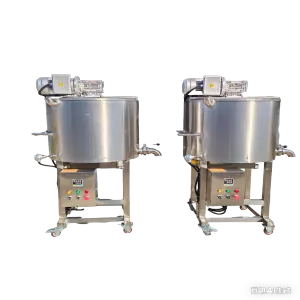
200L工业食品熔化炉
所属分类: 熔化炉浏览次数: 58编号:发布时间: 2025-11-10 17:14:03工业熔炉是冶金、制造和回收操作的基石,旨在将固体材料(包括黑色金属(钢、铁)、有色金属(铝、铜、锌)、陶瓷和废金属)加热到各自的熔点(范围从铝的 660°C 到钢的 1538°C),以进行铸造、合金化、锻造或回收。这种重型设备有多种类型(感应、燃气、电阻、坩埚)可供选择,可满足不同的生产规模:航空航天车间的小批量合金开发、废物管理设施中的大批量金属回收以及汽车零部件制造中的精密铸造。主要优点包括快速加热(感应型号比传统燃气装置快 30-40% 达到目标温度)、超精确温度控制(通过数字恒温器和先进传感器实现 ±5°C 精度)以及卓越的能源效率(现代设计拥有 ≥80% 的热效率,每年可降低 15-25% 的燃料/电力成本)。安全性融入到每个设计细节中,包括用于防止热泄漏的耐热耐火绝缘材料(陶瓷纤维或耐火砖)、用于过压保护的泄压阀以及用于降低火灾风险的自动关闭系统,所有这些均符合全球工业标准(ISO 9001、CE、ASME)。对于注重可持续发展的企业来说,与过时的熔炉相比,环保模型可将有害排放物(氮氧化物、一氧化碳)减少 40%,符合碳减排目标。高质量熔炉具有可扩展的容量(10 公斤至 100 吨坩埚)和与多种材料(从贵金属到工业废料)的兼容性,可平衡生产率、成本效益和可靠性。其坚固的结构(不锈钢框架、耐腐蚀衬里)可确保较长的使用寿命(适当维护后可达 8-12 年),使其成为依赖材料转型的行业不可或缺的资产,无论是生产电子产品定制合金、将废金属回收为可用原材料,还是铸造大型工业部件。
新闻
分类:
暂无搜索结果!
案例
分类:
暂无搜索结果!
视频
分类:
暂无搜索结果!
下载
分类:
暂无搜索结果!
招聘
分类:
暂无搜索结果!
推荐产品
暂无搜索结果!



 Whatsapp
 电话
电话