
 English
 Español
 Portugues
 Pусский
 Français
 Deutsch
 العربية
 Türk dili
 فارسی
فارسی
食品冰箱
The Modern Food Refrigerator: A Cornerstone of Kitchen Efficiency The food refrigerator is an indispensable appliance in modern households, revolutionizing the way we store, preserve, and manage perishable goods. Designed to maintain optimal temperatures, refrigerators slow bacterial growth, extending the shelf life of food while retaining its nutritional value and freshness. Over the decades, technological advancements have transformed refrigerators from simple iceboxes into sophisticated, energy-efficient systems equipped with smart features. Key Features and Functions A standard refrigerator consists of multiple compartments, each tailored for specific storage needs. The main refrigeration section typically maintains temperatures between 35°F and 38°F (1.7°C to 3.3°C), ideal for dairy, beverages, and leftovers. Below it, the freezer compartment operates at 0°F (-18°C) or lower, preserving frozen foods for months. Many models also include specialized zones, such as crisper drawers with humidity controls for fruits and vegetables, or deli compartments for meats and cheeses. Modern refrigerators often incorporate advanced cooling technologies like multi-airflow systems to ensure even temperature distribution, preventing hot spots that could spoil food. Energy-efficient inverters and LED lighting further reduce electricity consumption while enhancing usability. Smart and Sustainable Innovations Recent trends emphasize connectivity and sustainability. Smart refrigerators may feature Wi-Fi connectivity, allowing users to monitor contents remotely via smartphone apps, receive expiration alerts, or even suggest recipes based on available ingredients. Some models include built-in cameras to track inventory, reducing food waste. Environmentally friendly designs prioritize eco-conscious materials and refrigerants with lower global warming potential. Energy Star-certified models meet strict efficiency standards, cutting costs and carbon footprints. Impact on Daily Life Beyond preservation, refrigerators streamline meal planning and reduce grocery trips. Their organized storage encourages healthier eating by keeping produce fresh longer. In commercial settings, large-scale refrigeration supports food safety in restaurants, supermarkets, and supply chains. In summary, the food refrigerator is a marvel of engineering that balances functionality, innovation, and sustainability. As technology evolves, it will continue to play a vital role in minimizing waste, optimizing convenience, and safeguarding food quality for future generations.
产品
分类:
-
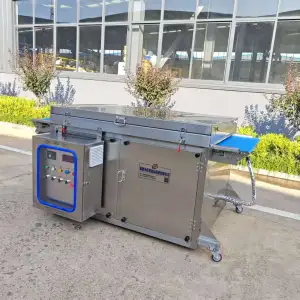
4米食品冷却机冰箱
所属分类: 冷却机浏览次数: 55编号:发布时间: 2025-11-11 10:42:12食品制冷机是商业食品运营(从餐馆和杂货店到食品加工厂和配送中心)的基础,旨在保持一致的低温(通常为 -40°C 至 10°C),以保存原材料、半成品和成品,同时遵守食品安全标准(FDA、CE、ISO 22000)。这些系统采用食品级材料(304 不锈钢内饰、食品安全隔热)和先进的冷却技术(蒸汽压缩、吸收式冷却和低温制冷)制成,可防止微生物生长、减缓营养物质降解并延长保质期,解决了企业面临的一个关键痛点,即食品浪费(每年给全球食品行业造成 1 万亿美元的损失)。他们为不同的使用案例提供量身定制的解决方案:商业厨房(在 0°C–4°C 的温度下冷藏新鲜农产品、乳制品和肉类)、杂货店(-18°C 至 -22°C 的冷冻食品展示柜)、食品加工厂(收获后冷却水果或蔬菜等散装原料)和物流(冷藏卡车在长途运输过程中保持温度)。主要优点包括精确的温度控制(±1°C 精度,避免冻伤或变质)、节能设计(与传统型号相比,变频压缩机和 LED 照明可减少 25%–35% 的能耗)和耐用的结构(适合海鲜部门等高湿度环境的耐腐蚀外部)。高级型号集成了智能功能:支持物联网的远程监控(通过移动应用程序跟踪温度以防止故障)、自动除霜周期(减少手动维护)和门报警系统(最大限度地减少门打开时的冷空气损失)。随着可持续发展成为当务之急,现代食品制冷机也采用环保制冷剂(R-454A、R-1234yf),其全球变暖潜力比传统制冷剂低 90%,符合全球碳减排目标。选择合适的食品制冷机不仅仅是为了储存,更是一项减少浪费、确保合规性和保护品牌声誉的战略投资,在高要求、温度敏感的操作中因其可靠的性能而受到全球企业的信赖。
新闻
分类:
暂无搜索结果!
案例
分类:
暂无搜索结果!
视频
分类:
暂无搜索结果!
下载
分类:
暂无搜索结果!
招聘
分类:
暂无搜索结果!
推荐产品
暂无搜索结果!



 Whatsapp
 电话
电话