
 English
 Español
 Portugues
 Pусский
 Français
 Deutsch
 العربية
 Türk dili
 فارسی
فارسی
食品冷藏系统
Food Refrigeration Systems: Principles and Applications Food refrigeration systems are essential for preserving perishable goods, maintaining food safety, and extending shelf life. These systems operate by removing heat from food products and their storage environments, slowing microbial growth and chemical reactions that cause spoilage. Key Components A typical refrigeration system consists of: 1. Compressor: Pressurizes refrigerant gas, raising its temperature. 2. Condenser: Cools the refrigerant, converting it from gas to liquid. 3. Expansion Valve: Reduces pressure, causing the refrigerant to cool further. 4. Evaporator: Absorbs heat from the food storage area, turning the refrigerant back into gas. Types of Refrigeration Systems 1. Mechanical Vapor Compression: The most common type, using refrigerants like ammonia or hydrofluorocarbons (HFCs). 2. Absorption Refrigeration: Uses heat energy (e.g., solar or waste heat) instead of mechanical compression. 3. Cryogenic Systems: Employ liquid nitrogen or carbon dioxide for ultra-fast cooling, often used in transport. Applications - Commercial Refrigeration: Supermarkets, restaurants, and cold storage warehouses use walk-in coolers, display cases, and blast freezers. - Transport Refrigeration: Trucks, ships, and railcars equipped with refrigeration units ensure safe food delivery. - Household Refrigerators: Maintain food at safe temperatures (typically 0–4°C for fresh food, -18°C or lower for frozen items). Energy Efficiency and Sustainability Modern systems prioritize energy efficiency through innovations like variable-speed compressors, thermal insulation improvements, and eco-friendly refrigerants (e.g., CO₂ or hydrocarbons). Proper maintenance, such as defrosting and leak detection, further enhances performance. Challenges - Temperature Control: Fluctuations can compromise food safety. - Environmental Impact: Older refrigerants contribute to ozone depletion and global warming, prompting stricter regulations. Future Trends Advancements include smart refrigeration with IoT sensors for real-time monitoring, magnetic refrigeration (using magnetic fields for cooling), and phase-change materials for better thermal storage. In summary, food refrigeration systems are critical for global food supply chains, ensuring safety, reducing waste, and adapting to sustainability demands. Continuous innovation aims to balance efficiency, cost, and environmental responsibility.
产品
分类:
-
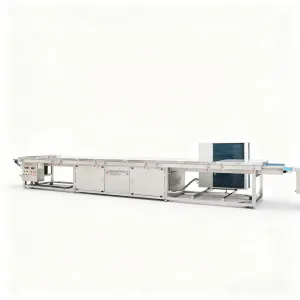
8米食品冷却机
所属分类: 冷却机浏览次数: 58编号:发布时间: 2025-11-11 15:56:48食品冷藏是全球食品行业的基石,为小型加工商到大型工业设施等企业提供精确、一致的温度控制,保障产品安全、保留营养价值并延长保质期。现代食品制冷系统旨在满足各种 B2B 需求,从存储水果、蔬菜、乳制品和肉类等易腐烂食品到保存加工食品、即食食品和饮料,结合了先进的冷却技术、能源效率和严格的食品安全合规性,以满足严格的全球标准,例如 HACCP、FDA 和 CE。这些系统采用优化的制冷剂回路、高性能压缩机和食品级不锈钢内饰,以确保均匀冷却(冷藏通常为 0–4°C,深度冷冻为 -18°C 或更低),抑制微生物生长、酶促降解和风味损失,从而影响产品质量。无论是集成到生产线中进行后处理冷却、用于冷库中进行批量库存,还是部署为零售环境中的展示冰箱,食品冷藏解决方案都具有多功能性、耐用性和成本效益。主要功能包括带数字控制的智能温度监控(精度为 ±0.1°C)、可降低运营成本的节能设计、可最大限度减少冷空气损失的防漏隔热材料,以及支持卫生协议的易于清洁的表面。对于 B2B 合作伙伴而言,投资可靠的食品冷藏不仅可以降低食品变质和监管不合规的风险,还可以提高供应链效率,减少浪费,并通过始终如一地提供新鲜、安全的产品来维持客户的信任。从紧凑的台下机组到大型步入式冷却器和工业急速冷却器,食品制冷系统可根据特定的空间、容量和应用要求进行定制,使其成为全球肉类加工厂、海鲜设施、面包店、餐厅和食品配送中心不可或缺的一部分。 -
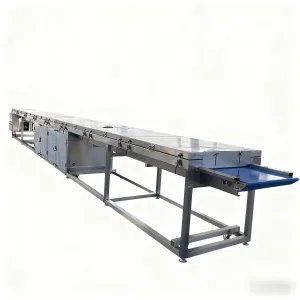
12m食品低温冷却机
所属分类: 冷却机浏览次数: 55编号:发布时间: 2025-11-11 16:22:41食品冰箱是 B2B 食品企业(从餐馆、咖啡馆和面包店到大型加工厂和配送中心)的基石资产,可提供精确的温度控制(通常为 0–4°C),以保持食品新鲜度、抑制微生物生长,并确保符合 HACCP、FDA 和 EU 10/2011 等全球安全标准。与标准家用冰箱不同,商业和工业食品冰箱专为重型用途而设计,具有更大的存储容量、耐用的结构和支持 24/7 运行的节能系统。这些装置配备食品级不锈钢内饰(耐腐蚀、易于消毒且不与食品发生反应),可防止交叉污染,同时能够承受频繁清洁,这对于大批量食品处理至关重要。主要功能包括智能温度监控(精确度为 ±0.2°C,并针对偏差发出声音/视觉警报)、可容纳不同食品类型(从散装农产品到包装肉类)的可调节货架,以及可减少高达 30% 冷空气损失的防漏隔热层,从而降低 B2B 运营商的能源成本。无论是用于在餐厅厨房中短期储存准备好的食材,还是在仓库中长期保存易腐烂的物品,食品冰箱都具有可定制的设计:适用于空间有限的咖啡馆的紧凑型台下式冰箱、适用于工业设施的步入式冰箱以及适用于零售环境的玻璃门展示冰箱(在展示产品的同时保持新鲜度)。通过投资可靠的食品冰箱,企业可以最大限度地减少食品浪费(将易腐烂食品的保质期延长 2-5 倍),避免代价高昂的安全违规行为,并保持一致的产品质量,最终增强客户信任和整个食品供应链的运营效率。
新闻
分类:
暂无搜索结果!
案例
分类:
暂无搜索结果!
视频
分类:
暂无搜索结果!
下载
分类:
暂无搜索结果!
招聘
分类:
暂无搜索结果!
推荐产品
暂无搜索结果!



 Whatsapp
 电话
电话