
 English
 Español
 Portugues
 Pусский
 Français
 Deutsch
 العربية
 Türk dili
 فارسی
فارسی
食品冷藏安全
Food Refrigeration Safety: Best Practices for Storage and Handling Proper refrigeration is essential for maintaining food safety, preventing spoilage, and reducing the risk of foodborne illnesses. Understanding the correct methods for storing and handling refrigerated food can help ensure both quality and safety. Temperature Control The refrigerator should be kept at or below 4°C (40°F), while the freezer should remain at -18°C (0°F) or lower. These temperatures slow bacterial growth, keeping perishable foods safe for longer. Use a thermometer to monitor the fridge and freezer regularly, as fluctuations can compromise food safety. Proper Storage Techniques - Raw Meat, Poultry, and Seafood: Store these items on the bottom shelf or in a separate drawer to prevent cross-contamination from dripping juices. Keep them in sealed containers or tightly wrapped packages. - Dairy and Eggs: Store milk, cheese, and eggs in their original packaging on middle shelves where temperatures are most consistent. Avoid placing them in the door, where temperatures fluctuate. - Fruits and Vegetables: Use crisper drawers with adjustable humidity settings—high humidity for leafy greens and low humidity for fruits that emit ethylene gas (e.g., apples, bananas). - Leftovers: Store in airtight containers and consume within 3–4 days. Label containers with dates to track freshness. Avoiding Cross-Contamination - Keep raw and cooked foods separate. Never place cooked food on a plate that previously held raw meat without washing it first. - Use separate cutting boards for raw meats and produce. - Clean spills immediately to prevent bacterial spread. Safe Thawing Practices Never thaw frozen food at room temperature, as this allows bacteria to multiply rapidly. Instead, use one of these methods: - Refrigerator Thawing: Plan ahead—thawing in the fridge is the safest but slowest method. - Cold Water Thawing: Submerge food in a leak-proof bag under cold running water, changing the water every 30 minutes. - Microwave Thawing: Cook immediately after thawing, as some areas may begin to cook unevenly. Signs of Spoilage Discard food if you notice: - Unusual odors, sliminess, or mold growth. - Dairy products that are sour or discolored. - Meat with a grayish tint or sticky texture. Regular Maintenance Clean the refrigerator monthly with warm, soapy water to remove spills and prevent odors. Check expiration dates weekly and discard expired items. By following these guidelines, you can maximize food safety, reduce waste, and protect your household from foodborne illnesses. Proper refrigeration is a simple yet critical step in maintaining a healthy kitchen.
产品
分类:
-
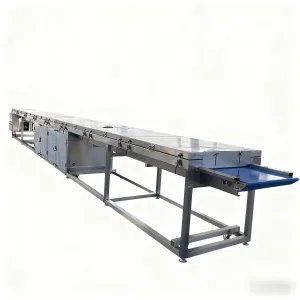
15米食品冷藏安全机
所属分类: 冷却机浏览次数: 61编号:发布时间: 2025-11-11 16:36:23食品冰箱是 B2B 食品企业(从餐馆、咖啡馆和面包店到大型加工厂和配送中心)的基石资产,可提供精确的温度控制(通常为 0–4°C),以保持食品新鲜度、抑制微生物生长,并确保符合 HACCP、FDA 和 EU 10/2011 等全球安全标准。与标准家用冰箱不同,商业和工业食品冰箱专为重型用途而设计,具有更大的存储容量、耐用的结构和支持 24/7 运行的节能系统。这些装置配备食品级不锈钢内饰(耐腐蚀、易于消毒且不与食品发生反应),可防止交叉污染,同时能够承受频繁清洁,这对于大批量食品处理至关重要。主要功能包括智能温度监控(精确度为 ±0.2°C,并针对偏差发出声音/视觉警报)、可容纳不同食品类型(从散装农产品到包装肉类)的可调节货架,以及可减少高达 30% 冷空气损失的防漏隔热层,从而降低 B2B 运营商的能源成本。无论是用于在餐厅厨房中短期储存准备好的食材,还是在仓库中长期保存易腐烂的物品,食品冰箱都具有可定制的设计:适用于空间有限的咖啡馆的紧凑型台下式冰箱、适用于工业设施的步入式冰箱以及适用于零售环境的玻璃门展示冰箱(在展示产品的同时保持新鲜度)。通过投资可靠的食品冰箱,企业可以最大限度地减少食品浪费(将易腐烂食品的保质期延长 2-5 倍),避免代价高昂的安全违规行为,并保持一致的产品质量,最终增强客户信任和整个食品供应链的运营效率。
新闻
分类:
暂无搜索结果!
案例
分类:
暂无搜索结果!
视频
分类:
暂无搜索结果!
下载
分类:
暂无搜索结果!
招聘
分类:
暂无搜索结果!
推荐产品
暂无搜索结果!



 Whatsapp
 电话
电话